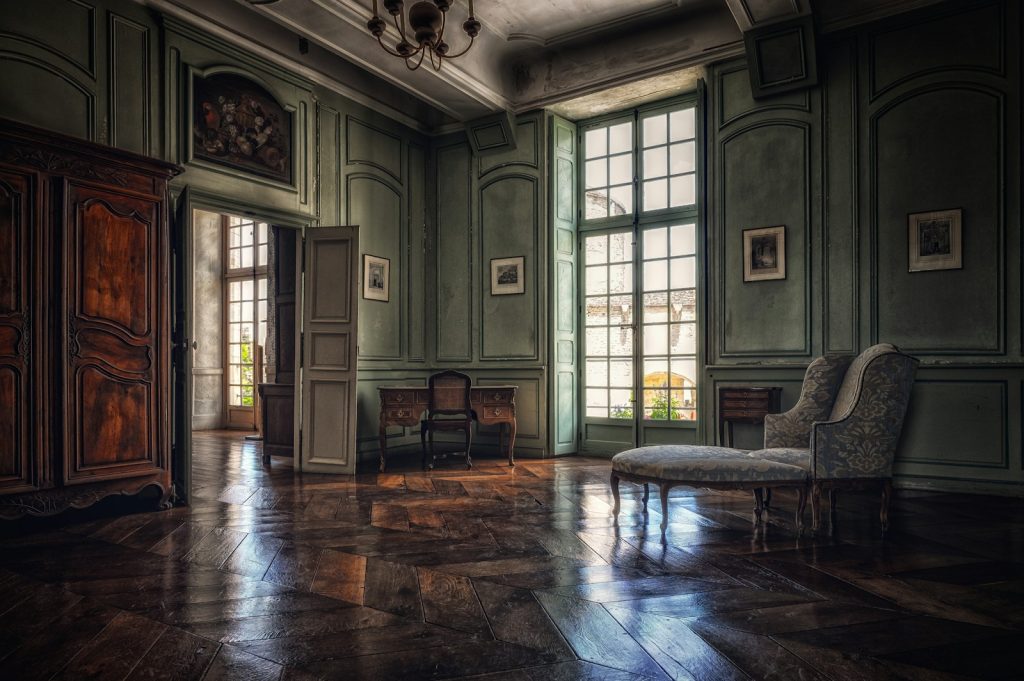
There is something about some interiors that is instantly recognised, but hard to pinpoint. Nothing is vying for attention. Surfaces are aged and worn. The space is settled – not posed, not finished. This is because the feeling reflects a different ideal of what design should be.
The concept is wabi-sabi interior design, derived from Japanese Zen Buddhism and the Zen tea ceremony, which rejected materialism and perfectionism in favour of modesty, simplicity and the beauty of imperfection. Wabi is the beauty of simplicity. Sabi describes the beauty of imperfections, wear, and the passing of time. Taken together, they refer to a worldview that sees beauty in surfaces that bear the evidence of change.
What Wabi-Sabi Values
Three concepts define the aesthetic, and they are a coherent vision of the world. Since things are not permanent, incompleteness seems more authentic, rather than failing. And because organic materials decay, they are more honest about impermanence than “non-permanent” materials. Also, this is what wabi-sabi interior design ultimately asks of a space.
Impermanence is first. A floor with a visible grain depth and a natural variance in tones looks different in the light – softer in the morning, warmer in the evening. It interacts with the space as opposed to being static. This becomes an aspect of the space over time.
Basically, Incompleteness is second. Wabi-sabi spaces are never finished – always open, always unfinished. A floor with variation in tone across the boards, also where the boards are not all the same, has this quality. A wabi-sabi flooring choice is never finished. It feels settled. It doesn’t hit you right away; you have to grow into it. The surface doesn’t disappear; it simply recedes.
Natural material is third. Surfaces should be surfaces. Surfaces should read as what they are, as high gloss simply conceals material nature by replacing it with reflection and shine. Matte finishes reveal it. Natural wood flooring, with grain and matte, is wood; also it is a material with a beginning and an end. This is important for wabi-sabi interior design.
What Wabi-Sabi Is Not
There is overlap with related styles, hence the need for clarity.
Moreover, minimalism seeks resolution through restraint, for a resolved space. Wabi-sabi restrains to enable acceptance, to leave room. A Minimalist floor completes a composition. Wabi-sabi flooring is part of an ongoing process.
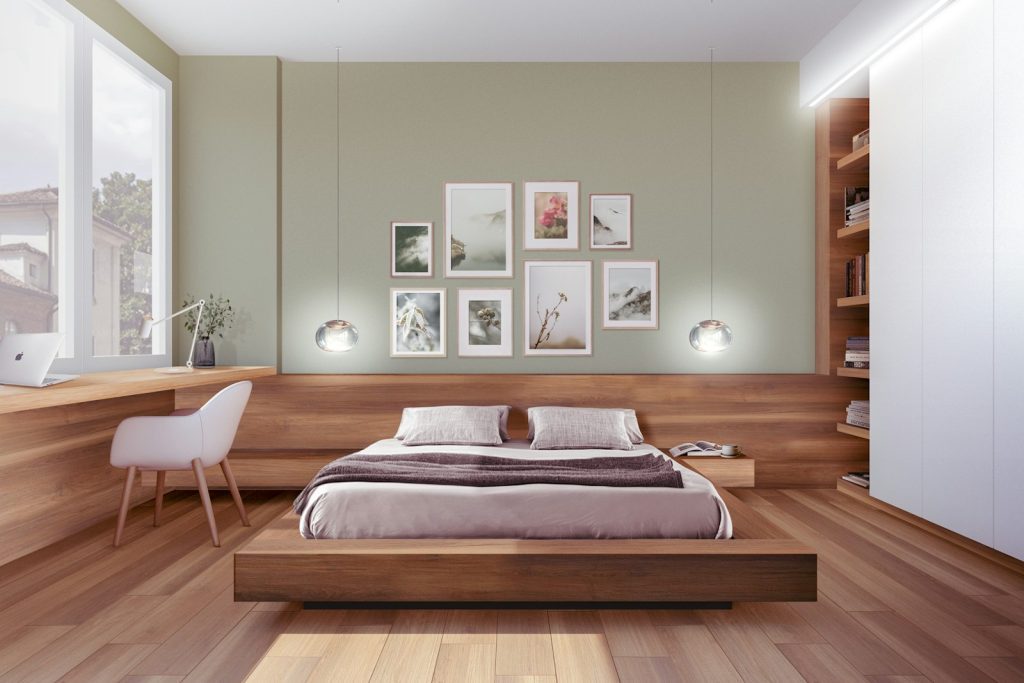
Japandi is the closest relative. Natural materials and tones are favoured. The difference is intent. Japandi is curated. Wabi-sabi is accepted. Japandi wooden flooring tend to have less variation in grain and colour, while these surfaces are more natural and have a stronger sense of patina.
Imperfection is also accepted in industrial design, but differently. In industrial design, imperfection is structural and functional. Wabi-sabi imperfection, though, is organic and temporal. One is intentional, the other is at rest.
Rustic interiors (often) mistake imperfections for authenticity. Wabi-sabi is quieter. Forced distresses such as scratches, marks, wear and tear seem to be showing off rather than showing their age. Wabi-sabi shuns this because it is contrived.
These aesthetics have similarities, but their intent creates different living spaces.
Wabi-Sabi and the Indian Home
Urban Indian homes have become shiny and resolved. Contemporary interiors can seem a little bit removed from the rhythm of life – rich, social, and lived-in. Wabi-sabi interior design provides an opportunity to reconnect with that process, not as something new, but as a rediscovery.
Indian homes, with barefoot walking, social interactions and spaces used for multiple activities, develop an engagement with surfaces. Wabi-sabi flooring is a perfect fit. A worn and weathered surface that ages with use and tells a story of life, goes with the concept and works well with the Indian household. That’s why we don’t feel like we are being fed something imported when we hear wabi-sabi, we feel like we have found something akin to home.
Wabi-sabi’s principles of visible texture, also matte finish and imperfection describe the qualities that premium laminate flooring India must have to support this lifestyle.
What This Means for the Floor
These qualities translate into a brief for premium laminate flooring in India. Organic and warm colours, not cool and monolithic. Transparent grain that reacts to light. Matte surfaces to express the material. Variation in colour tones that is natural and real rather than repetitive.
These are not stylistic preferences. They are a direct expression of the ideal behaviour of materials in a space. A floor that fits this bill does more than look right; it becomes a part of the room. With time, it settles into and contributes to the way the space settles and is experienced, in part or whole.
Now, the wooden flooring formats of today’s premium laminate flooring India can consistently carry these surface attributes. In fact, visuals of natural wood flooring can maintain variation and depth of tone in the Indian climate.
What this looks like in practice and which surfaces carry these qualities most effectively is the next step.