Ask any interior designer what clients say about flooring, and the answer is usually the same: “I want the look of wood, but I don’t want the headache.” That one sentence explains much of the laminate flooring market. Demand has kept climbing worldwide because laminate delivers a convincing finish at a price and effort level that most households can accept. This article is written for designers and for anyone building a home who wants a clear picture before choosing a floor.
What laminate flooring actually is
Laminate isn’t wood, though it often looks like it. A board is made of a fibreboard core, a printed design layer, and a hard protective top coat. The layers are pressed together under heat and pressure. The top coat, usually melamine with aluminium oxide, is what gives the surface its resistance to scratches and light moisture.
Most boards are between 7 mm and 12 mm thick and lock together like a puzzle. There’s no glue and no nailing, so a room can often be done in a day or two. That speed matters more than people expect, especially in flats where the family is waiting to move in.
Why the market keeps growing
A few things are pushing the numbers up, and they reinforce one another.
Renovation is the biggest one. People upgrade floors more often than they rebuild kitchens, because the change is visible and the cost is manageable. Government housing programmes in several regions have also encouraged remodelling.
Then there’s urban growth. As cities in Asia expand, new apartments and villas need flooring that can be installed quickly and looks the same from one room to the next. Laminate fits that need well.
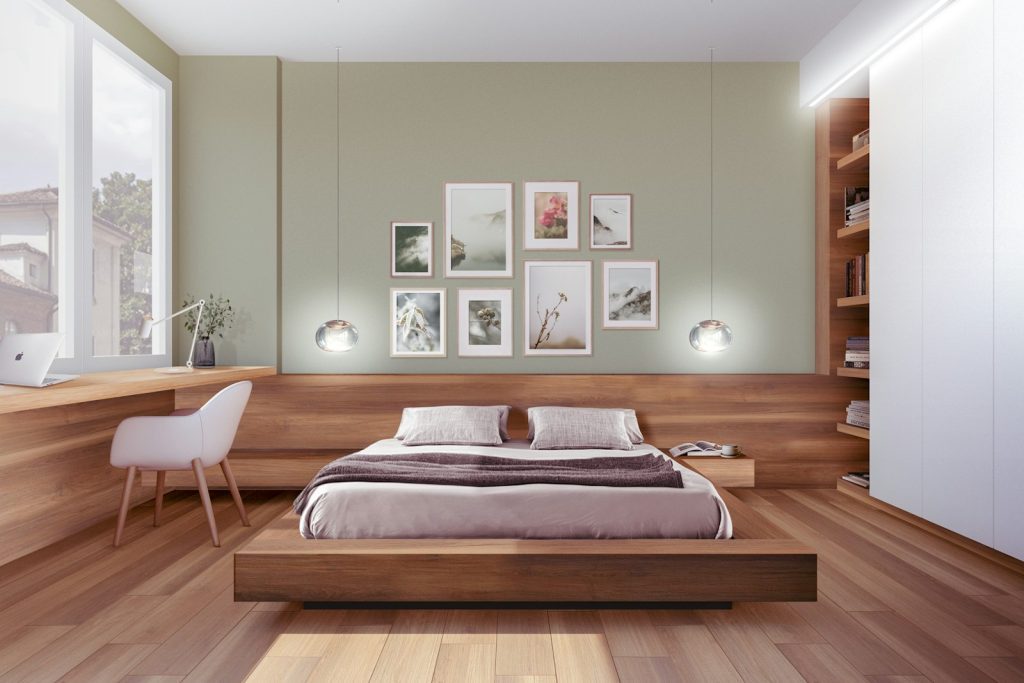
Printing technology has helped too. A few years ago, laminate patterns repeated obviously and felt flat. Today’s embossed finishes follow the grain of the printed pattern, and a good oak or walnut design is hard to tell apart from a distance.
Finally, upkeep. Laminate doesn’t need polishing, sanding or sealing. A damp mop is usually enough.
The market is generally split by core type (high-density and medium-density fibreboard), by end use (homes and commercial spaces), and by region. Homes account for most of the demand, though cafes, showrooms and offices are steadily adding volume.
Laminate flooring in India
Laminate flooring India is no longer a niche product. Rising incomes, more nuclear families and a stronger interest in design have changed what buyers ask for. Many now arrive with reference photos from social media and expect a specific finish.
India’s climate does need some thought, though. Standard laminate dislikes standing water and prolonged humidity. In coastal cities or during heavy monsoon months, boards can swell at the edges if moisture reaches the core. If you’re working in those regions, specify water-resistant boards and make sure the subfloor has a proper damp-proof layer. In drier states like Rajasthan, this is much less of a concern.
Also check the abrasion rating, which runs from AC1 to AC5. A bedroom is fine with AC2 or AC3. A shop, office or busy entrance hall should be AC4 or higher. It’s a small detail that often gets skipped, and it’s usually the reason a floor looks worn after two years.
Laminate or wooden flooring?
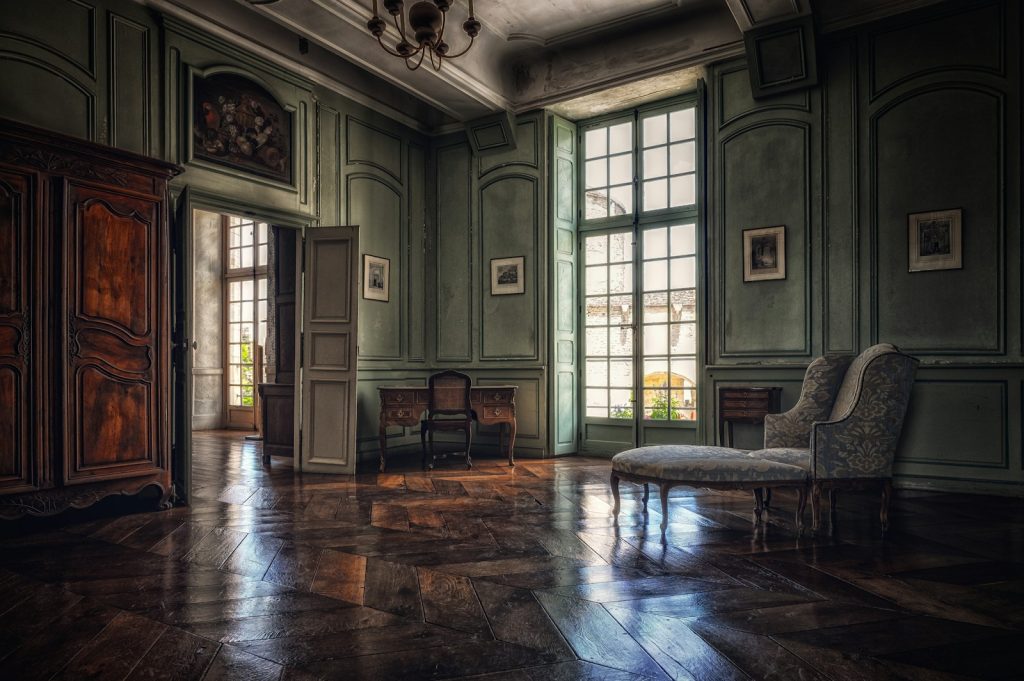
Wooden flooring has real advantages. The grain is genuine, it feels warm underfoot, and solid wood can be sanded and refinished several times over decades. It also costs more, needs regular care, and can warp or split with changes in humidity.
Laminate takes the opposite approach. It’s cheaper, tougher against everyday scratches, and nearly maintenance-free, but you can’t refinish it once the surface layer is damaged. You replace the plank instead.
So which is better? For a rental, a first home or a project with a fixed budget, laminate is usually the sensible choice. For a premium villa where the material itself is part of the design story, wooden flooring still earns its price.
Where carpet fits
Carpet flooring in India has long been used in offices, hotels and bedrooms, mainly for comfort and sound control. Floor carpet in India is also popular in a lighter form: rugs and runners laid over hard floors to define a seating area or soften a large room.
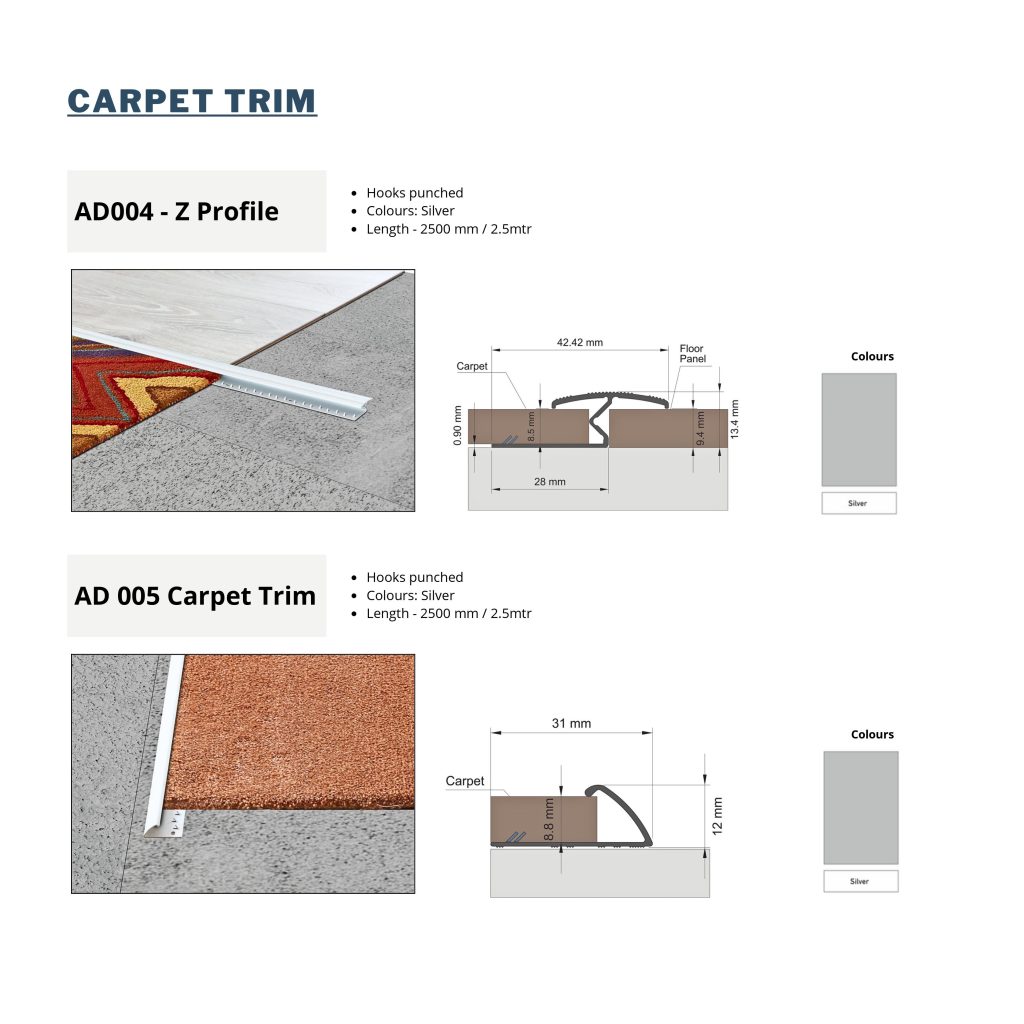
Honestly, the best results usually come from mixing the two. Laminate through the main living areas, with carpet or a good rug in bedrooms and lounges. You get durability where you need it and softness where you actually sit or sleep. Rugs also reduce the echo that open-plan homes with hard floors tend to have.
A few questions to ask before you decide
How much footfall will the room get? Is there any chance of water reaching the floor? Is the subfloor level and dry? And how much maintenance is the household really willing to do? Answer those four honestly and the choice between laminate, wood and carpet usually becomes obvious.
Frequently asked questions
What is driving the laminate flooring market?
Mainly renovation activity, urban housing growth, better design options and low maintenance. Together they make laminate practical for both homes and commercial spaces.
Is laminate flooring suitable for Indian homes?
For most rooms, yes. It’s affordable, quick to install and easy to clean. In humid regions or wet areas, choose water-resistant boards and prepare the subfloor carefully.
Is laminate better than wooden flooring?
Neither is better in every case. Laminate wins on cost and upkeep, while wooden flooring wins on authenticity and the ability to be refinished.
Can laminate be used together with carpet?
Yes, and many designers prefer it. Laminate in the main areas and carpet or rugs in bedrooms is a common, practical pairing.
Final thoughts
The laminate flooring market keeps growing because it solves everyday problems: cost, speed, variety and upkeep. For anyone building or designing a home in India, it offers a dependable middle ground between expensive wooden flooring and softer carpet flooring. Learn the abrasion ratings, respect the moisture limits, and pick the floor for the room rather than the trend. That alone will save most people from the usual flooring regrets.