Classic interior design is not a trend. This makes it still relevant since it is founded on decisions that stand the test of time. Although trend-driven spaces usually require regular renewal, classic interiors remain the same over time. This puts greater emphasis on early decisions, particularly flooring, where one decision determines the space in the long term.
Classic design is concerned with balance, proportions, and materials that are not new, but rather established. This is aimed at producing refined and comfortable spaces to stay. Flooring is a key factor in this. It is the foundation of the room and shapes the perception of all other things.
Character of Classic Flooring.
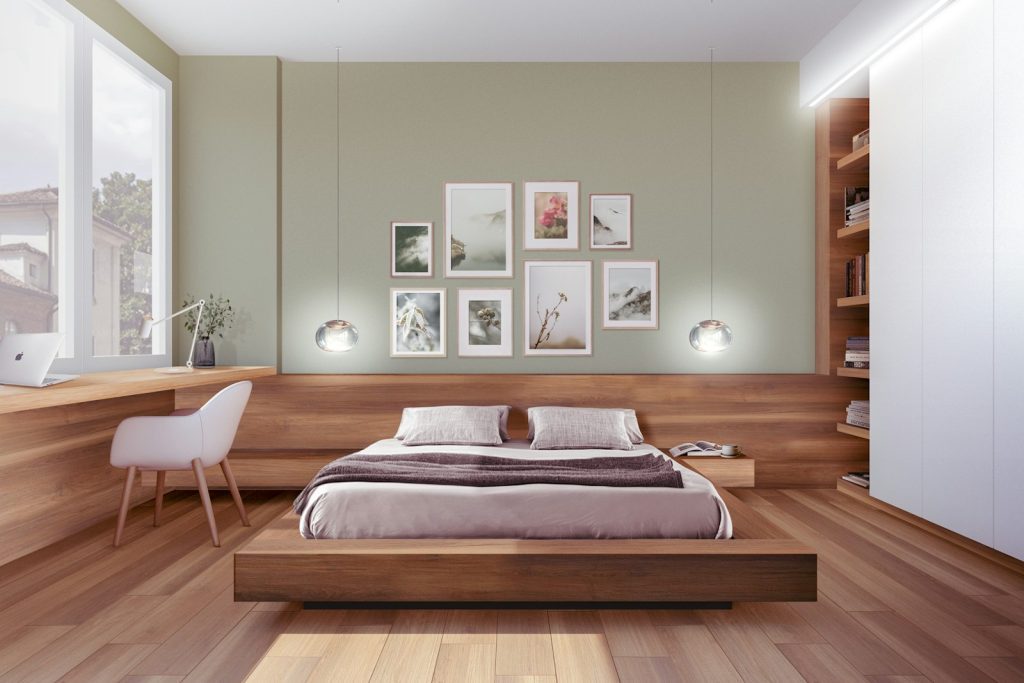
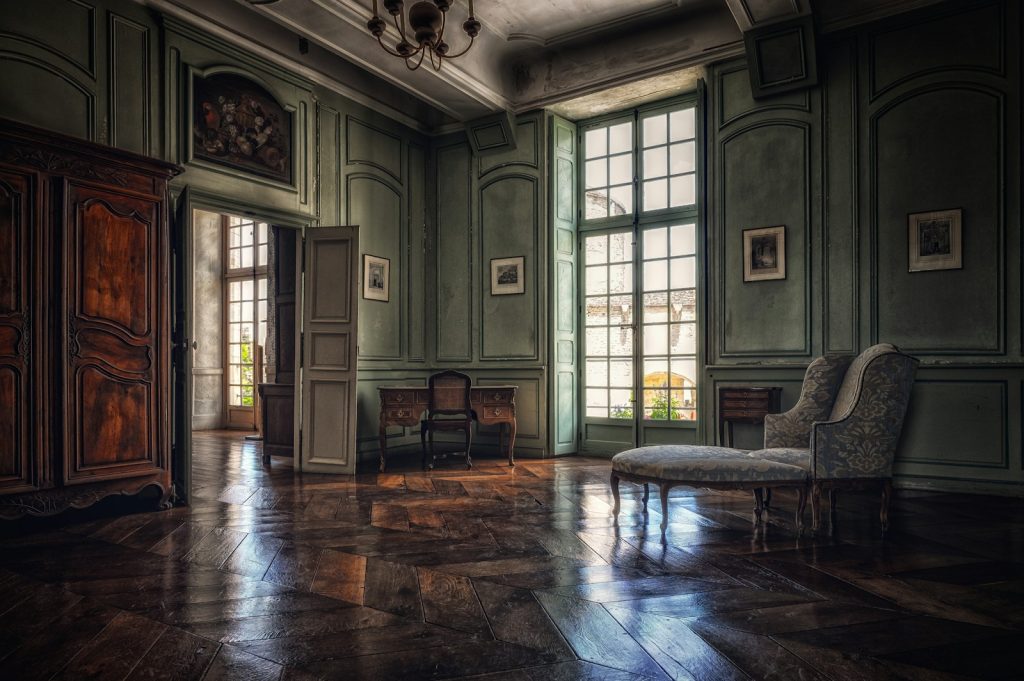
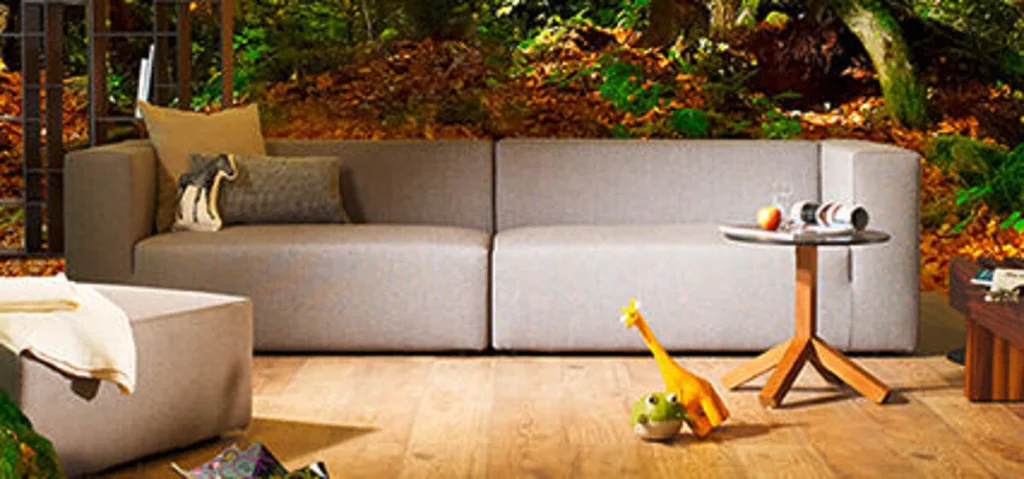
The use of warmer and heavier wood tones is common in classic floors. These colours contribute to the formation of visual stability and space anchoring. In Classic decors, wooden flooring often uses mid-to-rich tones like walnut or deeper oak because they feel visually stable and not intricately detailed or design-heavy which competes for visual attention. This balance is well reflected in such shades as D 3070 Tuscany Walnut or D 6021 Kashmir Oak Brown.
These tones are established, settled and long-lasting. Flooring of walnut or warm oak seems fitting in variable interiors, and it supports the space without focusing on the flooring.
The grain pattern also defines the way the floor appears. Classic flooring has controlled variation. The surface is natural, but the floor is generally consistent in appearance and easy to see pattern-wise. Too much variation can be visually cluttered, whereas too little can be unnatural and false. D 4794 Macro Oak Nature is one of the designs that depict this balance.
The same is the case with surface finish. Low-sheen finishes, also known as Matte, minimise the effects of reflection and enable the material to feel serene. Delicate texture creates realism without being a visual element.
Laminate flooring maintains this consistency by controlling the make. Grain, colour, and finish all stand constant through the planks, and this aids in keeping the visual balance through the whole floor.
Format Forms visual Rhythm.
The size and layout of the plank influence the degree of visual comfort of a space. Traditional interiors are based on formats that produce a regular and predictable rhythm.
Direct layouts are often applied since they ensure the floor remains aesthetically tranquil. The eye flows across the surface without disruption, which contributes to the space appearing composed. This is necessary particularly in the formal living or dining rooms where the floor must be able to support the space, rather than be conspicuous.
The longer the plank, the fewer visible joints – and the smoother the floor will be. Such formats as Mammut Plus, in colours like D 4791 Macro Oak Brown, enable the floor to appear more like a continuous surface, especially in bigger rooms.
Thinner planks may also be used, but they should be used with care. Excessive seams may disrupt the aesthetic of the interior and render the space and its elements disjointed.
Classic interiors can have patterns such as herringbone when restrained. The design must not conflict with the space but complement it. Mostly, simpler layouts are more effective.
Different laminate flooring types make it easier to choose formats that suit the space without forcing one to make compromises.
Classic Elegance In Living.
Classic interiors should be long-lasting, yet should also work under real conditions. There are challenges presented by Indian homes. The presence of monsoon humidity, air conditioning temperature variations, and the use of bare feet will have an impact on the long-term behaviour of flooring.
The classic solid wood is a reflection of the classic look, yet it may react in an unpredictable way to these circumstances. The floor can be influenced by expansion, contraction and routine maintenance in its performance over time.
Material choice comes in at this point. Laminate flooring India is designed to handle these variations while maintaining a consistent appearance. The engineered core is resistant to seasonal variations and the surface has the ability to cope with the daily use without the need of any special attention.
The outcome is the timeless sophistication that is applicable in daily life. The floor is stable and can be used without constant care to allow the space to work as planned.
This consistency is consistent with the essence of classic design. The floor will still make sense with the passage of time as other elements in the room change.
Why Classic Choices Endure
Classic design is based on principles and not on trends. Proportion, material and colour are not outdated as they react to the experience of spaces, rather than to shifting tastes.
This brings about permanence. It does not mean that the space needs constant changes, and single items can change without disruption of the overall balance.
An appropriate floor is part of this continuity. It can be used through time and helps to evolve space.
Premium laminate flooring supports this by combining a consistent look with a reliable performance especially when considering the time it must exist.
Creating – Spaces That Last
Classic interiors are effective when sophistication and utility meet. The floor should be able to sustain formal spaces as well as daily living. It must be steady, but not weighty; and polished, but not hard to keep in order.
Combined with these qualities, the floor is a reliable support. It does not insist on attention but it aids in developing the space to be left to change naturally with time.
This constitutes classic design. The space still feels correct not due to its adherence to trends, but due to the fact that it is constructed on the decisions that are still relevant.