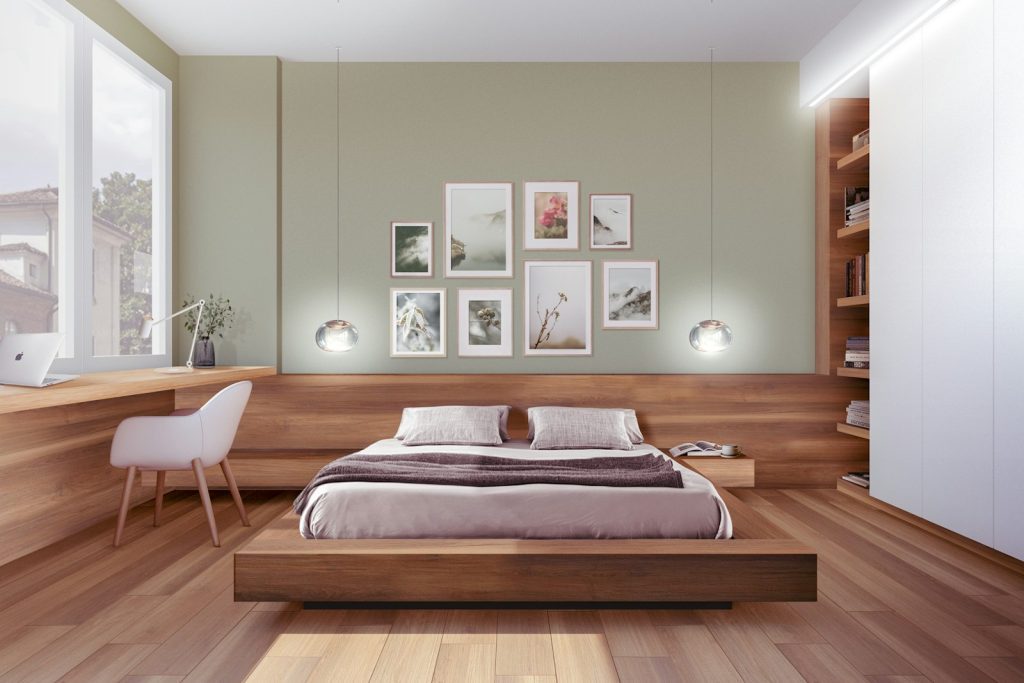
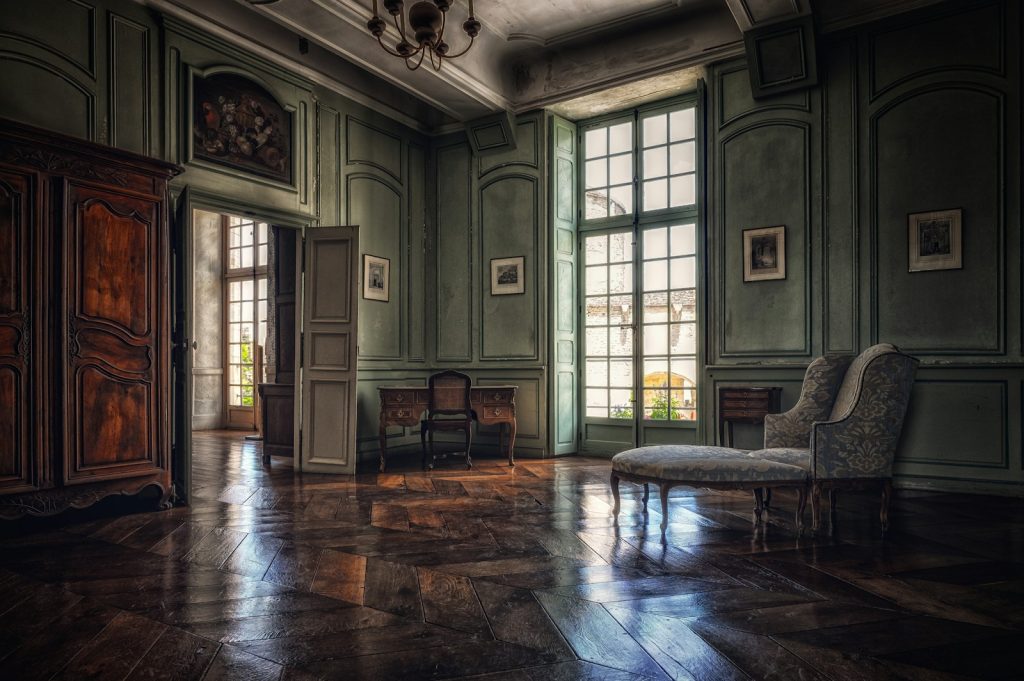
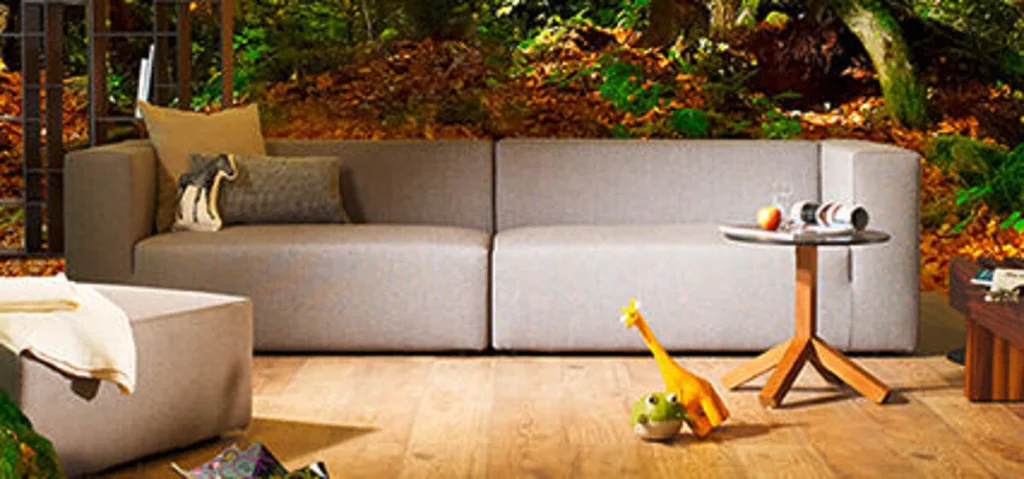
Biophilic design is about way more and goes beyond simply adding plants to a room. Also, it is concerned with designing environments which relate individuals to natural patterns, materials and rhythms in a way that promotes wellbeing. This relationship helps to relieve stress, increase concentration, and contribute to easier living in everyday life.
In urban India, where there is a lack of green space outdoors, and pollution makes spending time outdoors challenging, the homes have to offer the nature connection that cities lack. Flooring has a key place in this, as it is the largest continuous surface in most rooms, the one we come into direct contact with, and on which all other things rest.
Sensory and Visual Relationship to Nature Patterns.
Organic patterns are relaxing to the human eye. Natural wood grain, with its uneven lines and varied tones, tends to provide greater visual rest compared to geometric patterns. This is why folks link wooden flooring with warmth and comfort in homes.
Realistic wood grain patterns & natural colour variation are what modern laminate flooring delivers this visual connection. The grain is organic rather than mechanical. Warm oak, soft ash, and deep-walnut finishes all give the visual stimulation which our brains will perceive as being in a natural setting.
Authenticity is also tactile rather than visual. Embossed-in-Register technology matches the texture of the surface to the pattern of printing. And as you pass your hand over the floor, you touch the wood grain where you see it.
Warmth is also a part of physical comfort. Tile or stone may feel cold underfoot – laminate flooring feels warmer, especially in Indian homes, where barefoot living is common. The floor is something to touch, and not to avoid.
The sensory basis of biophilic spaces is the different combination of the visual pattern, texture and warmth.
Peace of Mind as a Component of Wellness.
True biophilic design should reduce stress, instead of contributing to it. A floor which causes us to worry constantly about water damage, scratches or costly maintenance procedures is counterproductive to wellness objectives, no matter how natural it appears.
In this case, the material selection is critical. Also, Solid wood provides natural beauty; however, the maintenance that solid wood needs can be the cause of constant worry. Water spillage should be cleaned up at once. Scratches show easily. The alteration of humidity may lead to warping or cracks, among other problems. In families with pets or children, such constant attention is a source of stress.
Premium laminate flooring solves these concerns via complex engineered stability. The core is of high density and is stable to changes in humidity and temperature. Surface treatments ensure that it is resistant to scratches and day-to-day wear. Waterproofing will stop spills that have been removed within the usual time.
This trustworthiness is even more important in the urban settings of India. Monsoon seasons are excessively humid. Air-conditioned apartments form closed environments where temperatures are regulated. These conditions may affect natural wood, not quality laminate flooring, which performs consistently without special care.
Its practical outcome is psychological comfort. You can exist normally in the space without considering the floor as being delicate. Children are free to play, pets are free to roam, and daily routines are conducted without any concerns. This calmness undergirds biophilic purposes.
Sound Relaxation and Space Peace.
Sound quality influences the perception of spaces. Hard floors such as tile and stone cause echoes that make rooms uncomfortable. Fewer hard surfaces absorb noise and produce more peaceful acoustic conditions.
Laminate flooring, especially with good acoustic underlayment, helps reduce sound. Footsteps are soft, as opposed to sharp. Objects dropped produce less noise. The general soundscape is calmer and more relaxed.
In a city apartment where outside noise (traffic and neighbours) is always present, it becomes significant to establish an acoustic refuge at home to ensure the well-being of day-to-day life. The floor helps this by not contributing to the sonic harshness.
Making Biophilic Design Practical
When it fits everyday life without needing special condition Biophilic design works best. Delivering sensory connection to natural materials and handling the demands of urban living, Laminate flooring India serves this practical role.
The engineered wood core is composed of actual wood fibres in a shape that is capable of stable performance. Climate changes that would either make solid wood expand, contract or warp are controlled using manufacturing. The outcome is natural-looking and feeling flooring, which acts predictably.
Biophilic values are also upheld by sustainability considerations. The sourcing of materials and long product lifecycles are environmentally friendly. When the flooring lasts for years without having to be replaced, that ability becomes an environmental advantage.
Simplicity in maintenance facilitates ease in day-to-day life as well as sustainability. Floors are kept clean regularly without the use of hard chemicals or professional treatments. This convenience of care implies that the floor will remain in support of biophilic objectives over time.
Biophilic Living in Practice.
The development of a biophilic environment in urban Indian houses needs to be balanced between aspirations and reality. We desire natural materials and connection to nature, but we also require floors that fit in our climate, our lifestyles and our daily practices.
Delivering sensory ease, calm, and well-being through connection to natural patterns and materials. Laminate wooden flooring supports this balance. It is not a question of material purity that is the measure of success, but whether the space will help in the better daily living.
When wooden flooring is used to provide visual warmth, physical authenticity, and useful dependability without causing maintenance anxiety, then it fulfills actual biophilic functions. It makes the floor a platform of wellness and not an obstacle to it.